


If you’re here, you’re probably a wine lover. You know a Sauvignon from a Shiraz, right? But a Vernaccia from a Vermentino, or a Monica from a Muristeddu?

These wines come from the second largest island in the Mediterranean, a few miles off the coast of Italy, but a world apart in terms of winemaking heritage, scale and approach.
We source ourselves, direct from family-run vineyards and co-operatively owned cantinas – many of which have never exported to the UK before. These producers are small by European standards, and the vast majority cultivate and process their grapes in time-honoured fashion, slowly and skillfully combining generational wisdom with bold new ideas to create a vast, underexplored cellar of sustainable wines that for too long have been way too hard to find in the UK.
Terra Sarda Wines is giving you the keys to that cellar!

Wine Tasting Events
Terra Sarda Wines holds regular wine-tasting events at which we showcase the latest wines in our quarterly selection, accompanied by Sardinian nibbles.
The tastings are a fun way to explore the story of winemaking in Sardinia - they’re definitely not stuffy tutorials – and we encourage lots of conversation.
If your business, organisation or group is interested in hosting an event, please drop us an email: hello@terrasardawines.co.uk
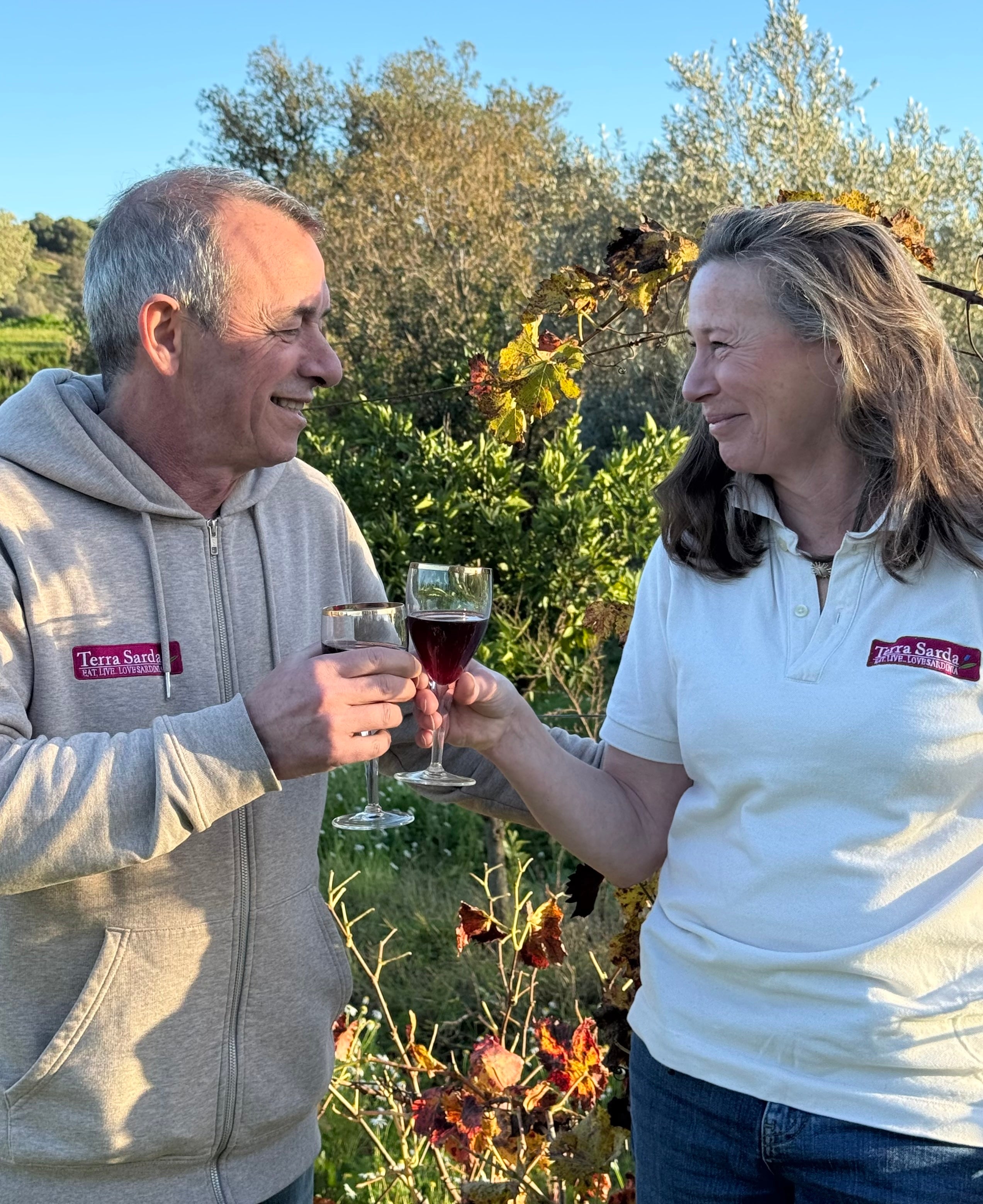
Meet Your Hosts
Terra Sarda Tours has hosted visitors from the UK to Sardinia for a number of years and one of the many things that surprises our guests about this extraordinary island is the quality and variety of wines it produces. Once they’d drunk their way through the duty free, though, it was almost impossible for them to find Sardinian wines back home – which made us, and the wine growers, very sad.
So, with their support, we launched Terra Sarda Wines exclusively for wines that are 100% grown and made there.
Working with small, sustainable winemakers, we’re bringing Sardinia in a glass to the UK.
From The Wine Chronicles
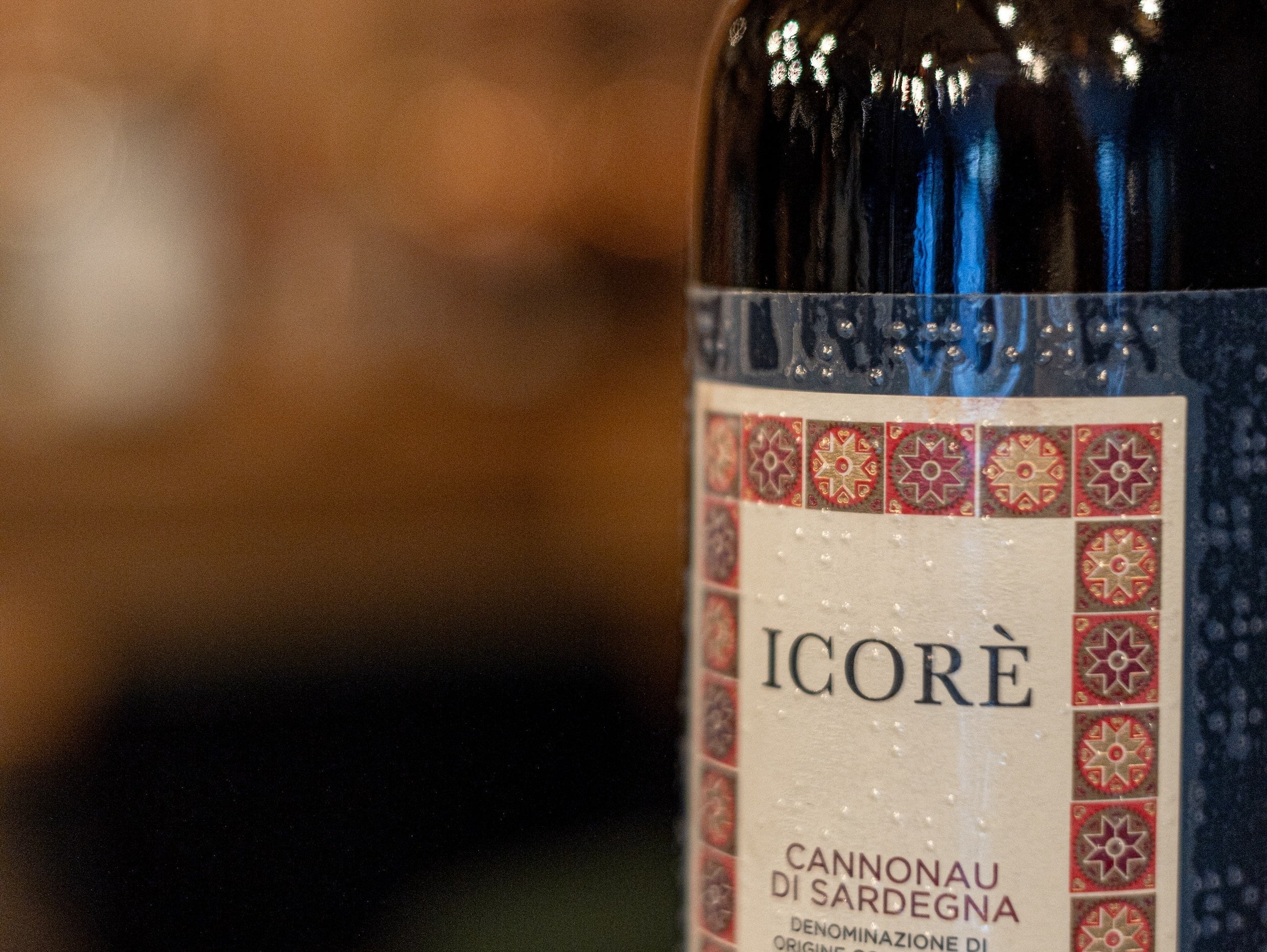
Why we're introducing braille labels to our Sardinian wines
We're delighted to announce that Terra Sarda Wines has become the first wine seller in the country to put braille labels on its bottles - with a little help from BBC Radio 4!
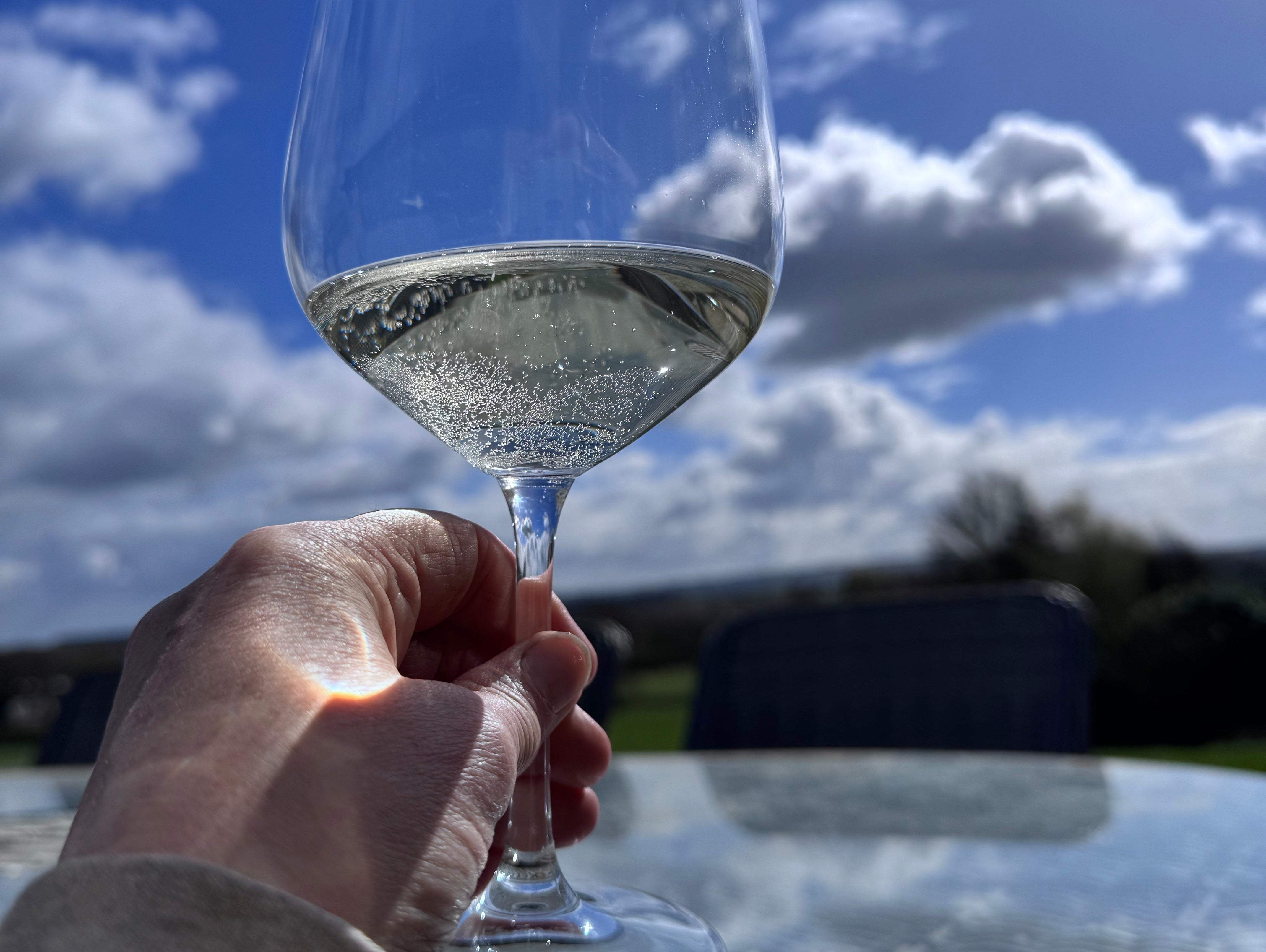
Slow wine in Sardinia and North Yorkshire: in celebration of Yorkshire Day
In honour of Yorkshire Day! Two families. Two Vineyards. 1,000 miles apart. What could these English and Sardinian winemakers possibly have in common!
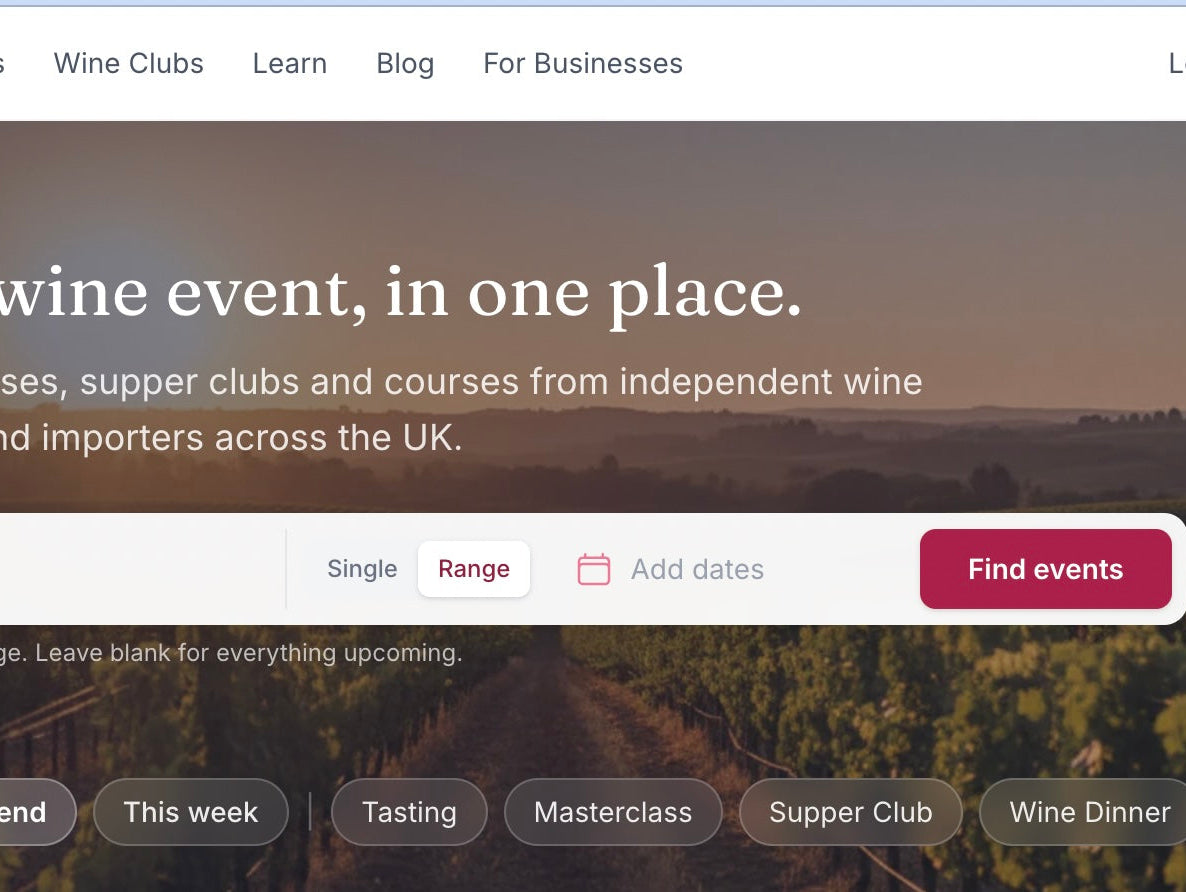
Why are wine tastings so hard to find?
Dan Ives turned a severe case of FOMO into Sommly, the ‘new Eventbrite’ for UK wine lovers... and among the first tastings to be featured were Terra Sarda Wines'!
Good Business Charter Accreditation
We want to make a positive impact on the environment and the communities we serve - our suppliers, partners, staff and customers. We're delighted we've earned accreditation with the Good Business Charter, an independent organisation that helps small businesses like ours make meaningful changes. Click on the logo to find out more.


